
 |
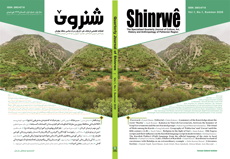
شماره یکم، سال یکم، تابستان 1399
ساڵی یهکم، ژمارهی یهکهم، هاوین 2020 زایینی
Vol.1, No.1, Summer 2020
لهکی زارێکی زمانی کوردییه
سوداد ڕهسووڵ
(مامۆستای زاره کوردییهکان له بهشی کوردی - فاکهڵتیی پهروهرده، زانکۆی سۆران)
کاتی وهرگرتن: 20/04/2020 
کاتی قهبووڵکردن: 15/08/2020
کورته:
لهک وهک کۆمهڵه عهشیرهتێکی کورد به درێژایی مێژوو پێکهاتهیهکی گرنگی نهتهوهی کورد پێک دێنن، له ناوچهیهک نیشتهجێن له بهشی ڕۆژههڵاتی کوردستان که به ههرێمی لوڕستان ناسراوه. ئهم ههرێمه سێ پێکهاتهی کوردی له خۆ گرتووه که به لوڕ و لهک و کهڵهوڕ ناسراون. ئهم ناوچهیه له مێژوودا به ناوی جیاواز ناسراوه. سهلجوقییهکان که له سهدهی دوازدهمی میلادیدا به سهر ئێران فهرمانڕهوا بوون، بۆ یهکهم جار له باکووری ئهو ناوچهیه ههرێمێکی ئیداری دادهمهزرێنن به ناوی کوردستان، ناوچهی لهکهکان ئهوسا بهشێک بووه لهو ههرێمه ئیدارییه، دواتریش به ناوی دیکهی وهک لوڕستانی فهیلی و لوڕی بچووک ناسراوه. لهکهکان به زارێکی کوردی قسه دهکهن که له ههموو ئاستهکانی زمانهوه له زارهکانی دیکهی کوردییهوه نزیکه به تایبهت له زاره کوردییهکانی باشوور وهک کهڵهوڕی و لوڕی. له ماوهی سهدهی ڕابردوودا کوردهکانی ئهم ههرێمه به هۆکاری سیاسی و فهرههنگی، ههروهها شیعهبوونی دانیشتوانهکهی، له سهردهمی ڕهزا شای پههلهویدا که سهردهمی دهوڵهت – نهتهوهیه له ئێراندا زۆر به چڕی ڕووبهڕووی ئهسیمیلهبوون هاتوون، به بهرنامه له لایهن دهوڵهتهوه ههوڵ دراوه پێکهاته کوردهکانی ئهم ههرێمه له ناسنامهی کوردبوونیان داماڵرێن و بکرێن به چهند پێکهاتهیهکی ئهتنیکی سهربهخۆ و زاره کوردییهکانیشیان بکرێن به چهند زمانێکی سهربهخۆ. ههر له درێژهی ئهم ههوڵانه له چهند ساڵی ڕابردوودا له لایهن میراتی فهرههنگی ئێرانهوه به ڕهسمی زاری لهکی وهک زمانێکی سهربهخۆ تۆمار کرا، ئهمه له کاتێکدا به ههموو پێوهرهکانی زمانهوانی و کۆمهڵایهتی، لهکی زارێکی زمانی کوردییه و زمانێکی سهربهخۆ نییه، بۆیه ئهم ههوڵهی که له ئارادایه بۆ ئهوهی لهکی بکات به زمان و لهکهکانیش به نهتهوهیهکی سهربهخۆ، تهنیا ههوڵێکی سیاسییه و زمانهوانی نییه. بهرنامهیهکی سیاسیی دهوڵهتی ئێرانه بۆ ئهوهی لهک له کورد دابڕێت.
وشه سهرهکییهکان: لهکی، لوڕی، لوڕستان، ئهدهبی زارهکی، زار، زمان، نهتهوهسازیی ئێرانی.
Laki: a dialect of Kurdish
Sudad Rasool (Soran University. Author and Researcher)
Recive data: 2020/04/20
Accpte data: 2020/08/15
Abstract
The Lak is a group of Kurdish tribes throughout history who are considered to be an essential constituent of the Kurdish people. They live in a region in the eastern part of Kurdistan, which is known as the Luristan region. There are three Kurdish components in that region known as Lur, Lak and Kalhur. This region has been called different names throughout history. This area has been called by different names such as Kurdistn, Luristan Faili and Lesser Lur.
The Laks speak a pure Kurdish dialect and, in all linguistic aspects, is close to other Kurdish dialects, particularly with southern Kurdish dialects such as Kahluri and Luri. During the past century the Kurds of this area were subjected to intense assimilation and loss of cultural identity, especially in the time of Reza Pahlavi, an Iranian army officer who became the Shah of Iran in 1925, when he took power; he was trying hard to build a nation-state in Iran, with one language within one nation. He planned to establish a central modern, secular and national state, so to achieve these goals he focused on the Kurdish tribal area in the Luristan Region of Iran, subjugating them to the rules and orders of central government. In addition, he also adopted a systematic policy of divide and rule to break the national identity of the Kurdish people and transfer them to independent ethnic groups and their Kurdish dialects into separate and independent languages. On other hand, the Kurdish people in that region are followers of Shia, contrary to the majority of Kurdish people are followers of Sunni, this religious differences played a significant role that Iranian authority as a dominant Shia state to separate them from the majority of the Kurdish nation. As a continuation of this policy, the Iranian cultural heritage officially declared in recent years that Laki is a distinct language in itself and not a dialect; however, in all linguistic and social criteria, Laki is a dialect of the Kurdish language and has never been an independent language, these attempts therefore, are politically motivated by central government and has no linguistic background; in other words they are trying to separate the Laks from the Kurdish nation.
This paper explains the subject in the light of sociolinguistics; that Laki is a dialect of Kurdish because Laki is mutually intelligible with other Kurdish dialects in that area. In addition the Laks are socially and culturally part of the Kurdish people and have, throughout history, established cultural unity with the Kurds. Laki does not have a literary written history because the Gurani dialect was a Koiné for centuries for speakers of Luri, Kalhuri and Laki. But in the field of Oral literature Laki is very rich with different genres, sharing the same oral literature with the Kalhuri and Luri; this is also additional evidence that Laki belongs to a common culture with the other Kurdish components in Luristan.
Keyword: Laki, Luri, Luristan, Oral literature, dialect, language, Iranian nation building.